From the 1920’s architecture to its wide, picturesque streets, the East Buntyn neighborhood boasts some of the most desirable real estate within the city limits. The neighborhood’s history reads as a story of Memphis’ own experience of war, enslavement, progress, and convention all told through the lens of a few lovely streets and two hundred years of change.
The story starts with Geraldus Buntyn, a North Carolinian who fought in the War of 1812 and was awarded a plot of land in Shelby County, TN for his service on the battlefield. The land was a sprawling 160 acres set just outside the recently established city of Memphis and promised a successful future for the retired soldier and his family. The western edge of Tennessee was just becoming developed, the Mississippi River was promising trade and commerce, and the opportunities seemed boundless. So Buntyn made a home for himself on his gifted property. Over the following years, Buntyn continued to buy up adjacent property, becoming a well-known landowner as well as a busy citizen. He served on numerous boards in the city and founded an early school that would evolve into the University of Memphis. When Buntyn died in the mid-1860s, his land was divided amongst his eight children and eventually parceled off to developers to form various subdivisions as well as the Memphis Country Club. In the early twentieth century, the Southern Railway built a train station at the corner of Southern and Semmes and named it Buntyn Station. A small community was formed and Buntyn’s name was preserved.
With the advent of the automobile and the development of Memphis Country Club in 1905, the neighborhoods around Buntyn’s Station became real estate gold. In the 1920’s, the area was christened “Country Club Place Subdivision” and boasted modern living, wide porches, paved sidewalks, gravel streets, and no city taxes! World War I had affected prices and demand for new homes but Country Club Place offered “pre-war” pricing and salesmen on-site who could get clients into their dream homes in no time. The architecture of the neighborhood was varied and stylish. Tudors, Ranches, and Bungalows sprung up, some pushed far back on their plots to keep distance from the road and offer a long front yard view.
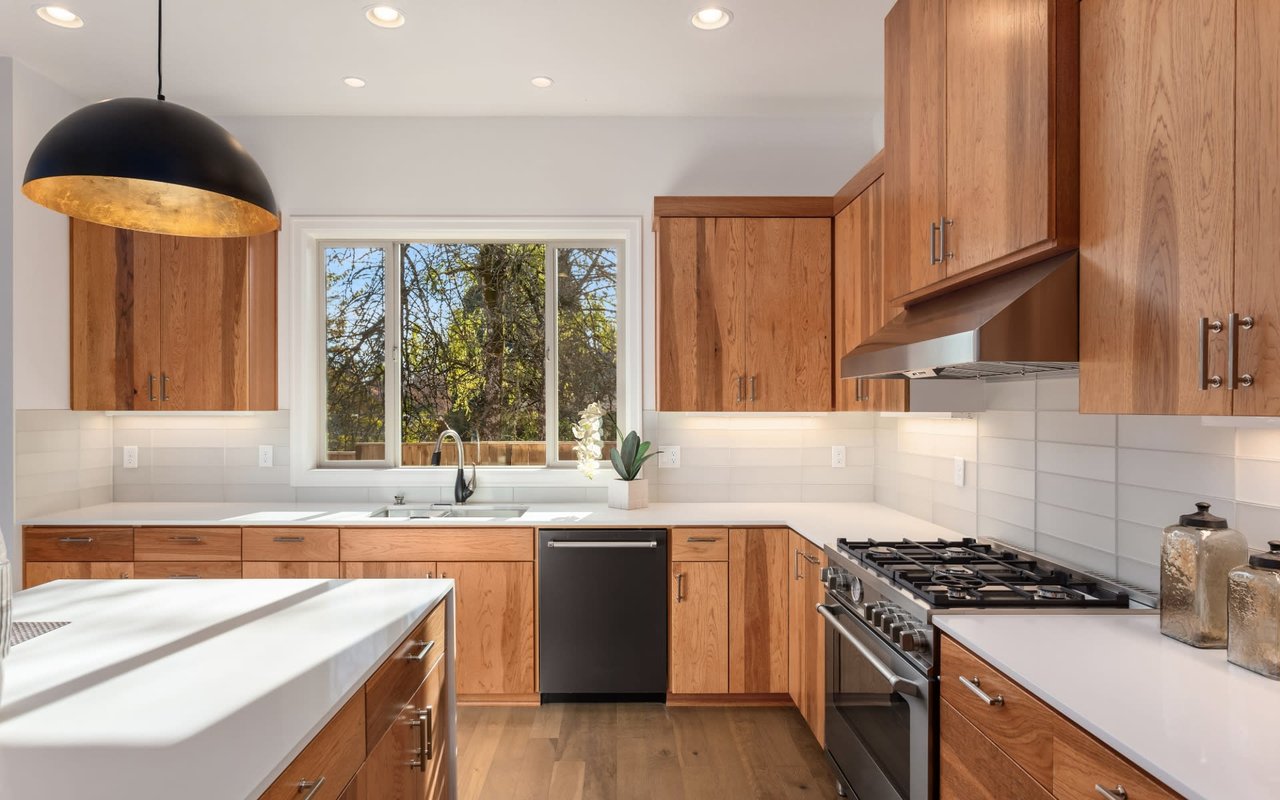
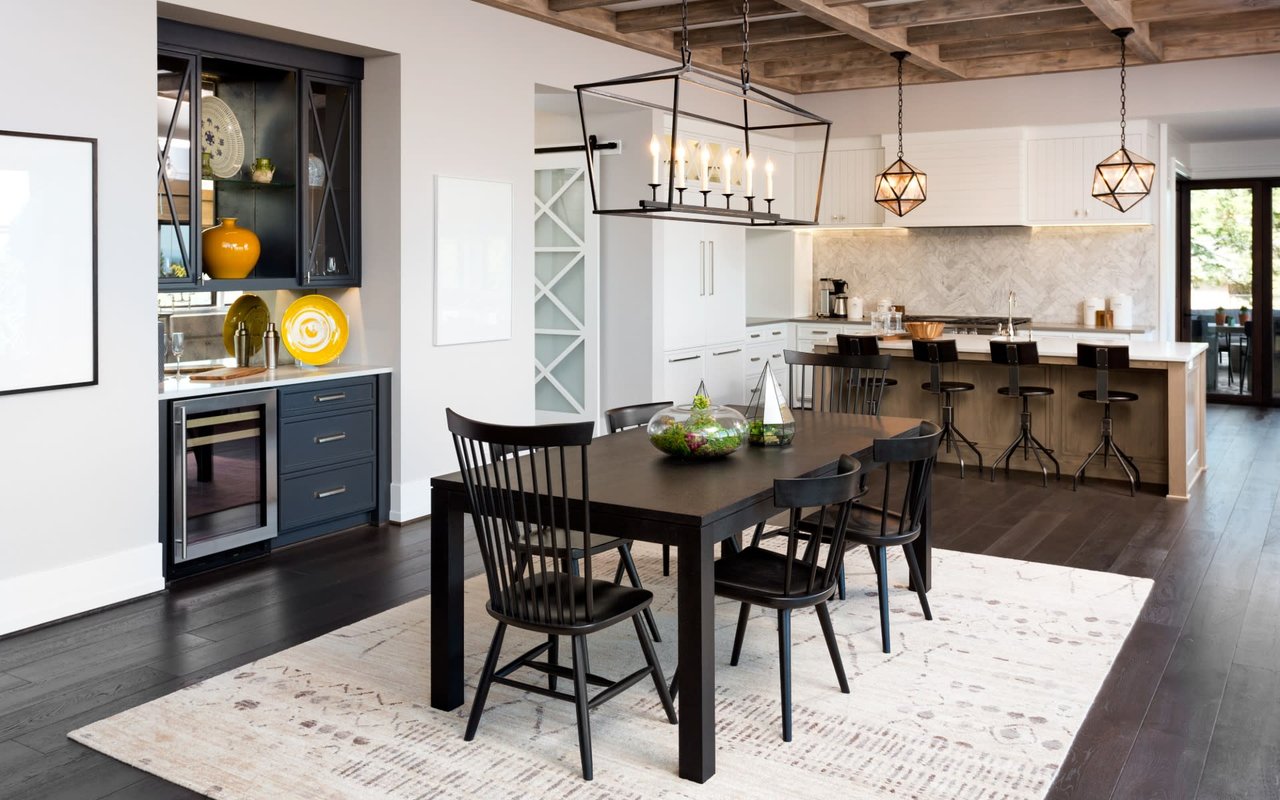
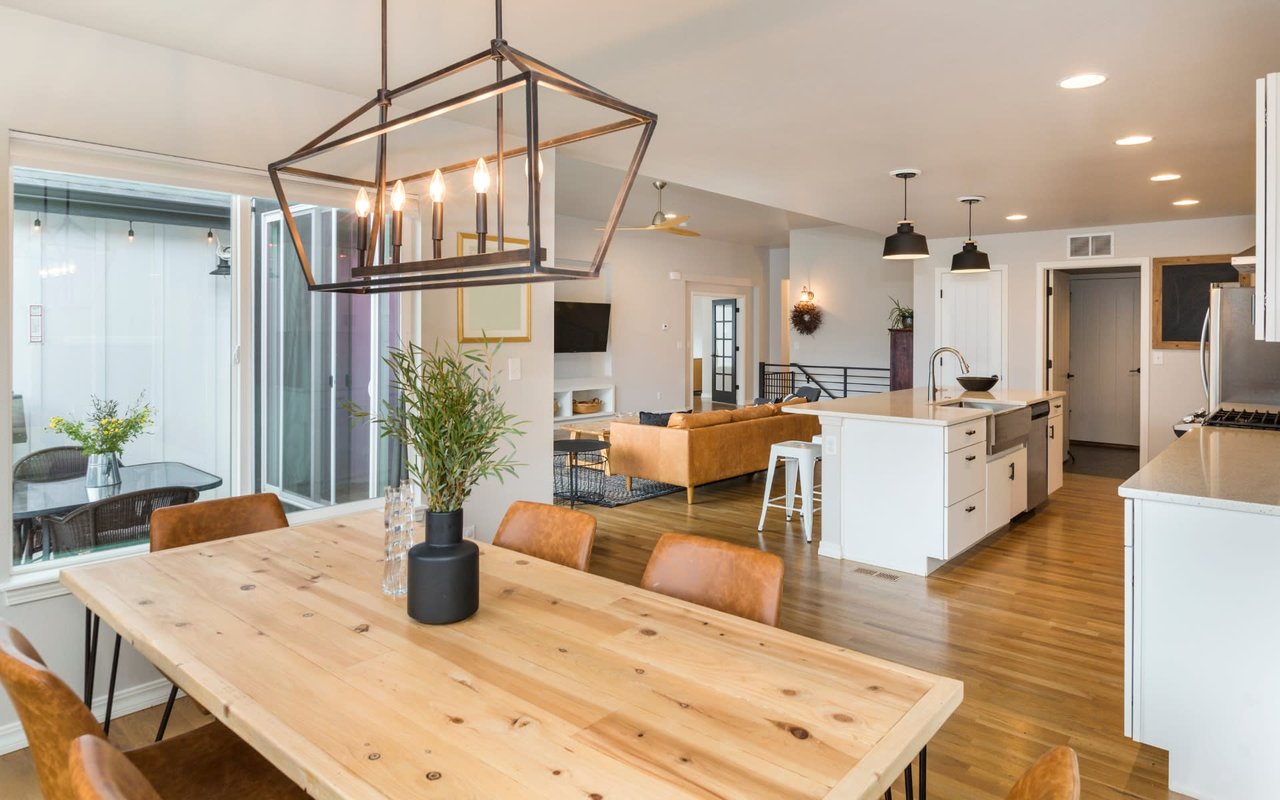
East Buntyn (a mere third of the original established property) now sits neatly between Central, Highland, Southern, and S. Greer and continues to be a desirable area of town. Close to the University but also five minutes west of East Memphis proper and five minutes South of Sam Cooper, the area provides convenience, the charm of established neighborhood living (tall trees, good lots, residential consistency), and even a few newer builds sprinkled throughout. For gracious residences that tell a history and a location that can’t be beat, East Buntyn is still offering dreams homes and modern living right in the middle of Memphis.